You sell USDT, receive the renminbi payment and then discover that your Chinese bank account has been frozen. An investigating officer says the payment is linked to fraud and asks you to return it. But you have already delivered the crypto. Who bears that loss? And will paying the money back actually release your account?
Start by establishing which payment is in dispute, the procedure being used and the basis for asking you to pay. Returning funds already frozen in an account, making a separate restitution payment and lifting an account freeze are different steps. An assurance that you can “sort it out by paying” does not settle all three.
This article concerns mainland Chinese bank accounts frozen by police in a criminal investigation. If you are unsure whether the restriction comes from police or the bank itself, start with our guide to what to do first after a crypto-related account freeze.
Find out what “repayment” means in your case
The investigating authority may be arranging to return frozen funds to a fraud victim through the applicable procedure. Alternatively, you may be asked to make a separate payment, raising questions about restitution liability or a proposed arrangement. A refund request from your trading counterparty is another matter again. Each calls for a different assessment of the legal basis, recipient and paperwork.
Identify the incoming payment by date, amount and payer. Then establish how much is being sought and how that figure was calculated. A freeze affecting the whole account does not establish that every yuan in it is criminal proceeds. If money has already been returned, provide the payment records and check that the amount has been accounted for.
Verify the investigating unit and officer through official contact channels. Confirm the purpose of any payment, the receiving account and the documentation you should obtain. Do not transfer a supposed “release deposit” to an individual or intermediary simply because they promise to unlock the account that day.
Why proof that you delivered the USDT is only part of the picture
Evidence of delivery matters. Put the exchange order, bank credit, messages and delivery records in chronological order. The aim is to establish who paid the renminbi, who received the USDT and how the two sides of the transaction connect.
Suppose the order names A as the buyer, B sends the bank payment and you deliver the USDT to an address supplied by C. Matching amounts alone do not explain the relationship between those people. A transaction hash helps verify an on-chain transfer; it does not, by itself, identify the person controlling the address or establish that the bank payment was unrelated to fraud. For an internal exchange transfer, preserve the platform’s transfer record instead of assuming there must be an on-chain hash.
Your account of what you knew also needs context. Why did you accept a third-party payment? Were the price or fees unusual? Did anyone ask you to change receiving accounts or split transactions? What happened after a warning? Preserving these records makes the facts easier to examine. It should not be described as a requirement to prove your innocence.
Older commentary also needs a regulatory update. Notice No. 42 of 2026, issued on 6 February 2026, replaced the 2021 crypto speculation notice and maintains strict prohibitions on the relevant illegal financial activities. Paragraph 19 addresses invalidity and investor losses where investments violate public order and good morals.
Delivering genuine USDT does not automatically make a transaction legally protected or establish a successful good-faith acquisition argument. The nature of the transaction, entitlement to the funds and possible criminal liability each require an assessment of the facts.
Why repayment may not restore access to your account
Resolving one payment may leave another freeze in place. The bank may also maintain a separate restriction. Check which measure the payment relates to, whether its release has been authorized and implemented, and what restrictions remain. Our article on bank restrictions that remain after a freeze is lifted explains this further.
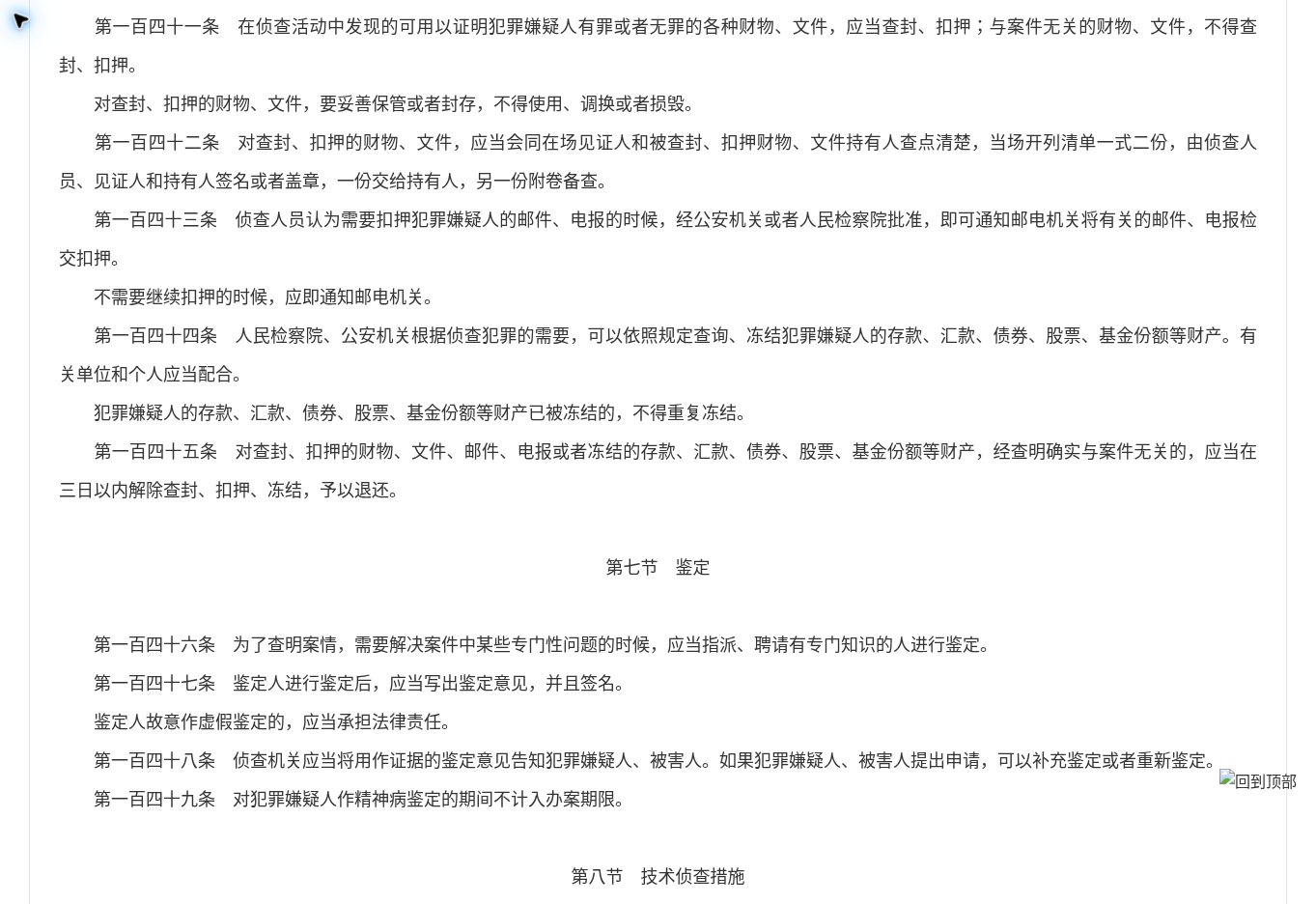
Article 145 of China’s Criminal Procedure Law requires the release and return of relevant property within three days once it has been established that the property is unrelated to the case. That condition matters: submitting your documents does not start a universal three-day countdown to release. A dispute over whether traceable funds can be recovered from you is also different from establishing that property is unrelated to the case.
If investigators are examining whether you committed an offence, account access is only one part of the problem. The effect of restitution depends on the alleged offence, evidence and procedural stage. Payment does not guarantee that criminal proceedings will end. Read any factual statements or acknowledgments of responsibility in documents you are asked to sign, and request corrections where they are inaccurate.
Make an objection that addresses the actual dispute
Explain precisely what you contest: an incorrect amount, a gap in the asserted flow of funds, property you say is unrelated to the case, or a freeze you say should now be lifted. Attach supporting records for each point and retain evidence of submission. A general statement that you sold crypto in an ordinary transaction may leave the central questions unanswered.
If a frozen-funds return procedure has begun, check the notice for the applicable objection channel and deadline. Some proportional-return notices provide a 30-day public notice period. That is not a universal deadline for every account freeze, and submitting an objection does not necessarily suspend the proposed transfer.
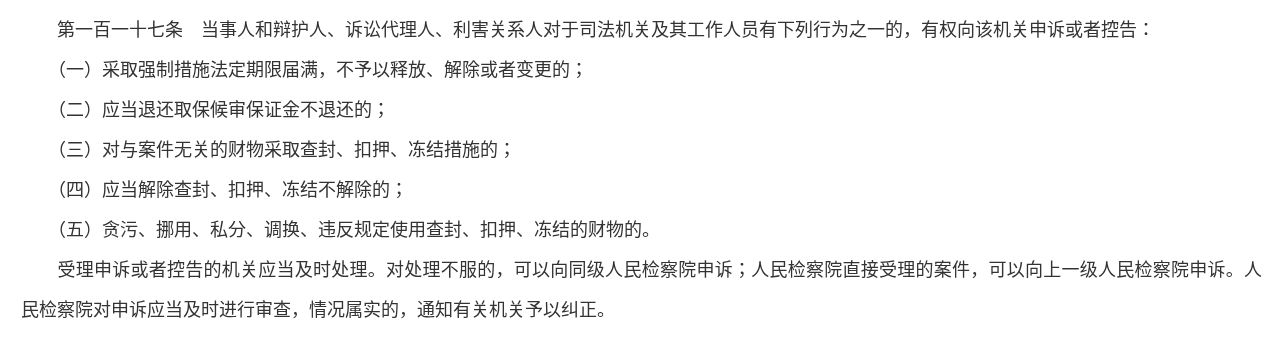
Article 117 of the Criminal Procedure Law provides complaint procedures for specified conduct, including freezing unrelated property and failing to lift a freeze that should be released. A complaint can first be made to the authority concerned. If its handling is disputed, the article provides a further route to the appropriate procuratorate, China’s prosecution and legal supervision authority. The route must also fit the stage and type of property decision involved.
What to prepare now
Gather the freeze information, relevant bank statements, exchange orders, complete conversations and delivery records. Add a one-page timeline covering the trade, payment, delivery, freeze and subsequent contact. Record which documents you have submitted and any amounts already paid.
If you are overseas, see what you can do when your Chinese bank account is frozen while you are abroad. For an initial consultation, identify the freezing authority, amount in dispute, requests received and whether you have been told to attend in person. Those facts help determine whether the immediate priority is tracing the payment, challenging a property measure or addressing criminal exposure.
← Back to Upwell Insights