Your mainland Chinese bank account stops allowing transfers while you are overseas. Does that mean you have to book a flight home? Before deciding, establish what has actually happened. The useful first question is which authority or institution imposed which restriction, and what it needs from you. Without that information, a relative’s visit to the branch may achieve very little.
Find out what the bank means by a freeze
People use “frozen account” to describe several different problems. The bank may be implementing a police or other judicial freeze, checking an unusual payment, updating identity information, or restricting transactions outside the branch. More than one measure may apply at the same time. Through the bank’s verified contact channel, ask which account is affected, the type and scope of the restriction, who decided it, the relevant dates and amount, and any reference or contact information that can be disclosed to you.
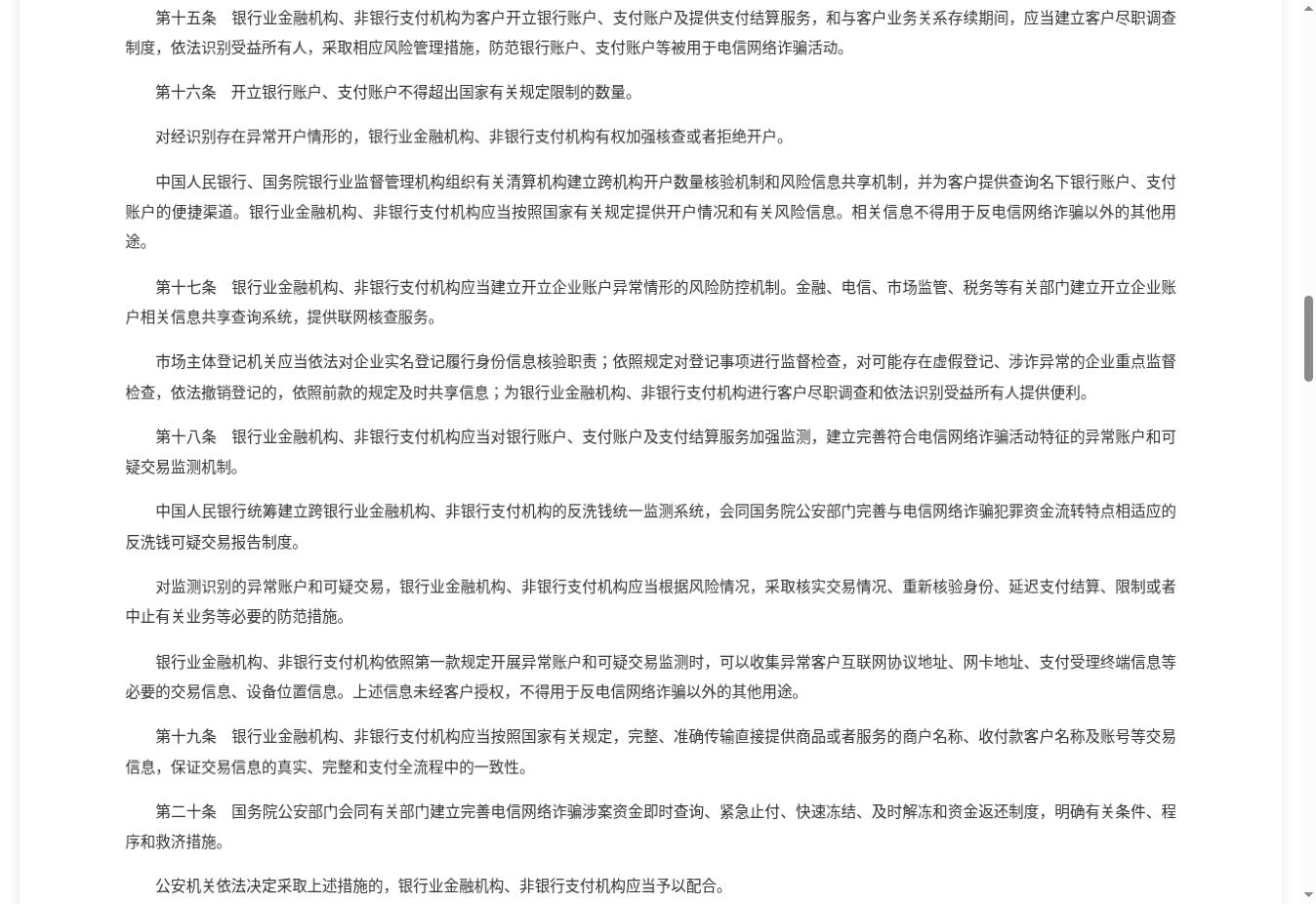
- Article 18 permits risk-based transaction checks, identity verification and restrictions on banking services.
- Article 20 addresses police-directed measures and banks’ duty to cooperate. Identify who made the decision.
Articles 18 and 20 of China’s Anti-Telecom and Online Fraud Law address different mechanisms: banks’ risk-based checks and service restrictions, and measures decided by the police under the law. The distinction determines whom you need to approach. A bank can explain its own verification process; a customer service complaint does not give it authority to cancel a police-directed freeze. The official text is linked above.
Build a useful submission before arranging travel
Suppose you work in Singapore and your Chinese account becomes restricted after receiving a genuine sale payment. This is an illustrative scenario, not a client case. Assemble the bank entry, order, agreement, delivery evidence and relevant correspondence in chronological order. Explain who bought what, why the payment was due, and whether the payer was the buyer. If someone else paid, preserve the original agreement and messages explaining that arrangement.
Then ask how to submit the material, who will receive it, whether originals will be required, and whether an initial explanation can be provided remotely. Evidence of your overseas residence, work or travel may help explain practical attendance difficulties if the receiving body requests it. Use verified official channels for identity and account documents, and keep a record of what you sent and when.
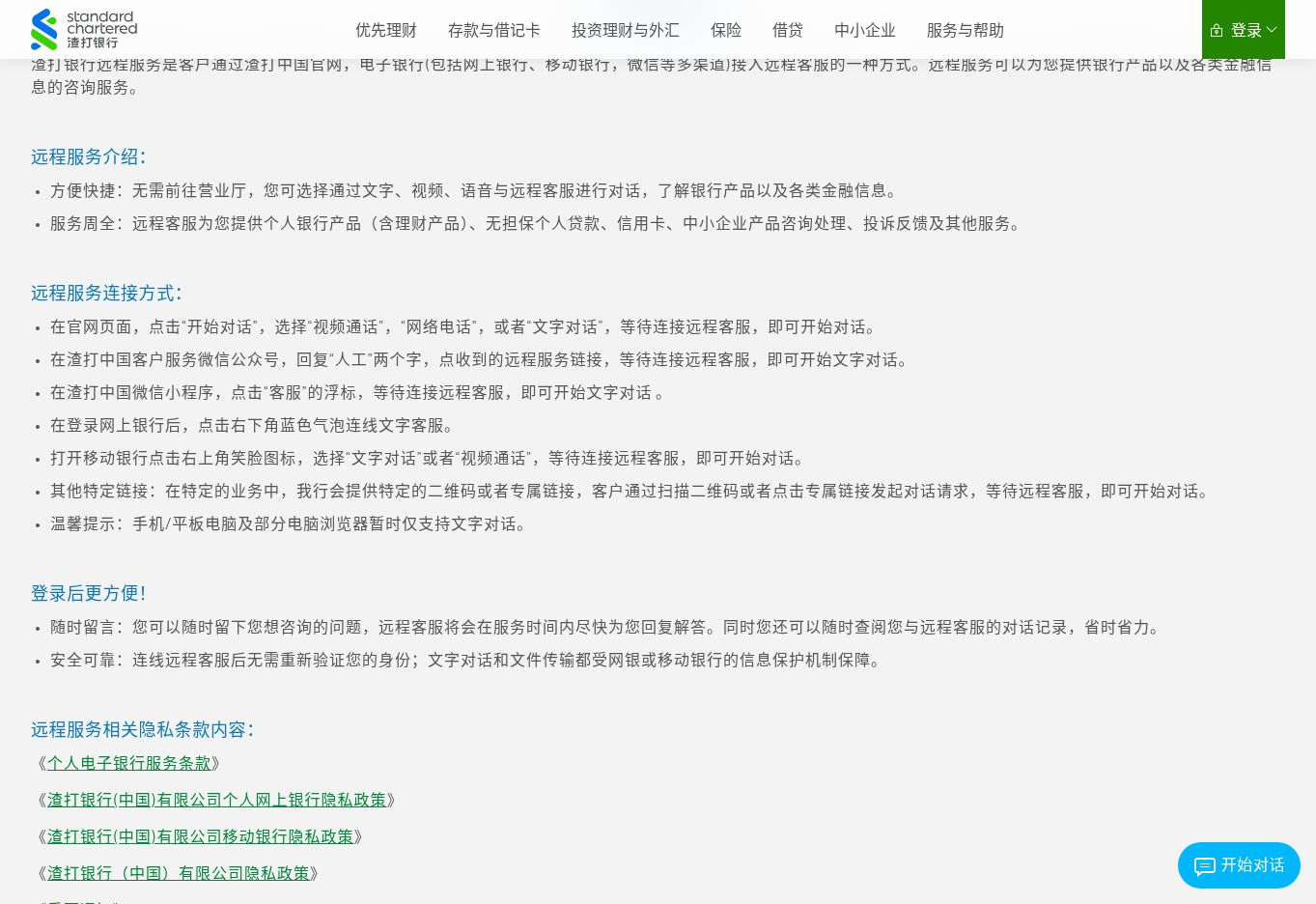
- Check the scope: remote information and complaints do not mean every banking action can be completed remotely.
- Find the channel inside the bank’s verified website or app, then ask whether your documents can be submitted there.
Can a lawyer or relative act for you?
Ask whether representation is accepted for the particular step, and what authority, identity documents and signing formalities are required, including any requirements for documents executed abroad. A lawyer can help reconstruct the facts, prepare submissions and communicate with the relevant body. That appointment does not automatically replace personal identity checks or an interview that legally requires your attendance. A relative carrying your identity document is not necessarily authorized to complete the process either.
If attendance is required, identify the procedure, location, documents and scheduling options before deciding on travel. Being overseas is a practical issue to explain, not a reason to disregard a lawful notice. Equally, a vague instruction to “come to the branch” is a starting point for clarification, not enough information to organize an international trip.
Make the next request specific
A useful request identifies the affected account and date, states that you are currently overseas, and asks for the existing restriction, responsible body, required documents and submission route. If attendance is necessary, ask which step requires it. For the specified service restrictions covered by Article 32, the law also addresses notification of reasons, remedies and supporting documents. That provision should not be treated as a general right to release every judicial freeze online.
Keep the replies, reference numbers and submission receipts. When you are told the matter has been resolved, check both the status of the relevant freeze and any remaining bank controls. The practical endpoint is restoring the function you actually need, rather than collecting an assurance that one part of the process is complete.
← Back to Upwell Insights