The police say the freeze has been lifted, but your Chinese mobile banking app still rejects transfers. The bank tells you to contact the police again. Before repeating the same conversation, match the measure that was released with the restriction now preventing the transaction. They may be different parts of the account’s status.
One release may not restore every function
An account may be subject to an authority-directed freeze, a bank’s unusual-transaction review, restrictions on services outside the branch, or transaction limits. It may also have several freezes from different authorities. A release normally relates to a specified account and measure; it does not necessarily address every control. “Non-counter” services generally include channels such as mobile and online banking. Whether any particular service, including a branch transaction, is available must be checked against the actual account status.
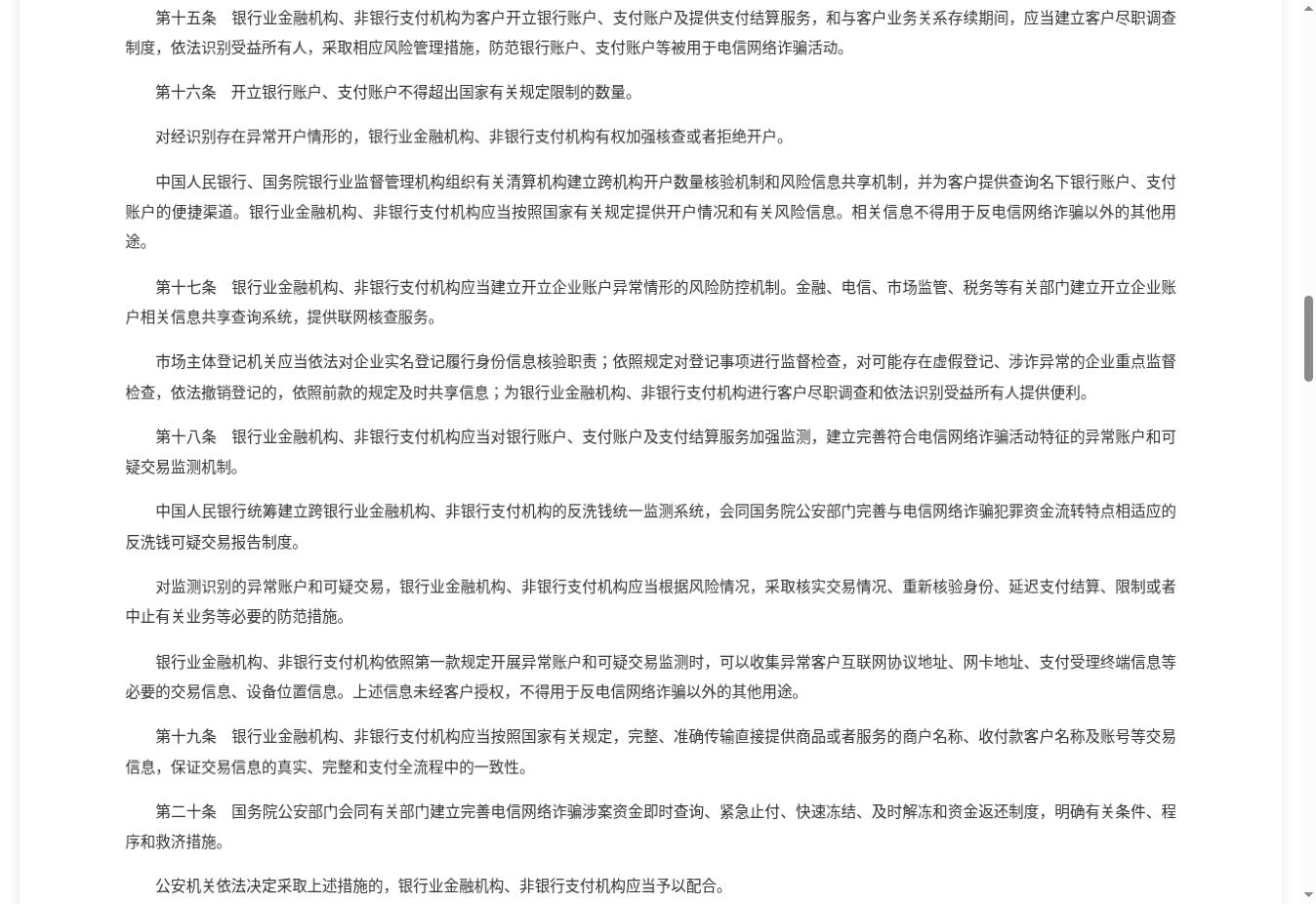
- Article 18 permits risk-based transaction checks, identity verification and restrictions on banking services.
- Article 20 addresses police-directed measures and banks’ duty to cooperate. Identify who made the decision.
China’s Anti-Telecom and Online Fraud Law separately addresses banks’ verification measures and measures lawfully decided by relevant authorities. Ask the bank to check whether the original freeze has actually been removed in its system, whether another freeze remains, and which control blocks the transaction you attempted. Identify who decided that control and who can review it. Providing the exact error message and time is more useful than saying that the card still does not work.
Provide evidence for the issue that remains
Suppose the police have released a freeze associated with one payment, while the bank is still asking about the transaction’s background. This is an illustration, not a reported client case. The release document is relevant, but ask which payment or information the bank needs to verify. A commercial-background question may require contracts, orders, delivery records and correspondence. An identity or account-purpose question calls for different documents. There is no reason to assume every released account needs an identical new application pack.
Nor should every non-counter restriction be described as a disciplinary measure. Article 31 of the law concerns specified persons, findings and measures. A bank risk control, a legally imposed disciplinary restriction and a separate unresolved freeze have different bases. Clarify the particular basis before deciding where to challenge it.
Use the review provision within its proper scope
Article 32, paragraph 3 addresses service restrictions imposed under the provisions it identifies. It requires information about the reason, remedy and documents needed, and allows a challenge to the body that decided or imposed the measure. That body must handle and verify the challenge; if verification is passed, the relevant measure must be lifted immediately. First establish whether this provision applies to your restriction. “Immediately” does not mean that making a complaint automatically restores every account function.
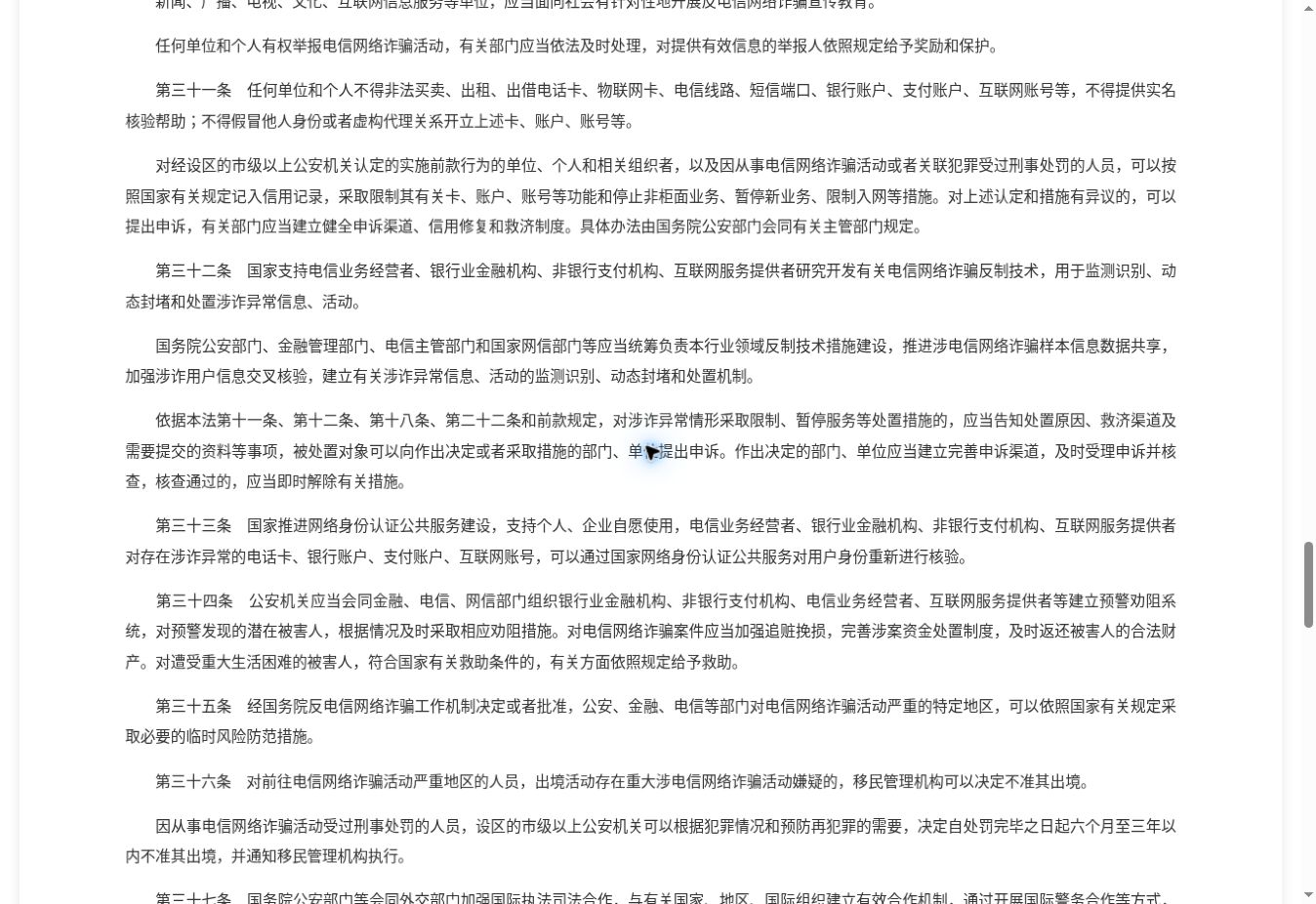
- The relevant body must explain the reason, remedy and documents required. It must review the challenge and lift the relevant measure immediately if verification is passed.
A focused request might state that you have received confirmation of the original release, quote the current banking error, and ask the bank to identify any remaining measures, their basis, the evidence required and the receiving channel. Keep reference numbers, submission receipts and dated replies. If the replies conflict, set out the specific inconsistency when approaching the institution’s formal review or complaint channel.
Confirm the result in practical terms
Bring three things into alignment: what the release document covers, what the bank currently records, and whether the service you need is available. After the bank confirms permitted use, check the relevant function where necessary within the allowed limits. Repeated large transfer attempts are not a sound way to resolve a control, and a paid “inside contact” cannot be assumed to have power to remove it.
For several accounts or authorities, prepare a simple account-by-account record of the decision-maker, measure, release document and unresolved point. That record, together with the original replies, gives a lawyer or reviewing institution a much clearer starting point than an unsupported statement that everything has already been unfrozen.
← Back to Upwell Insights