You've spent years building up your Hong Kong company, and it now holds substantial assets. You're still a Chinese tax resident, and you're thinking about putting your shares into a trust. You want to pass them on to your children, or have arrangements in place if you're no longer able to manage things yourself. Then you hear there may be a tax bill. Does the trust still make sense?
Let's work through the immediate cost. Recent reports suggest that transferring shares or other assets into a trust could trigger 20% individual income tax on the gain. Say the shares cost you RMB 1 million and are now valued at RMB 10 million. If the RMB 9 million gain is taxable, you'd be looking at RMB 1.8 million in tax, before accounting for any other costs. The business is still operating, and you may not have that kind of cash in your personal account. Yet a change to the way you hold the shares could leave you with tax to pay. That's a cost you need to understand before you set up the trust.
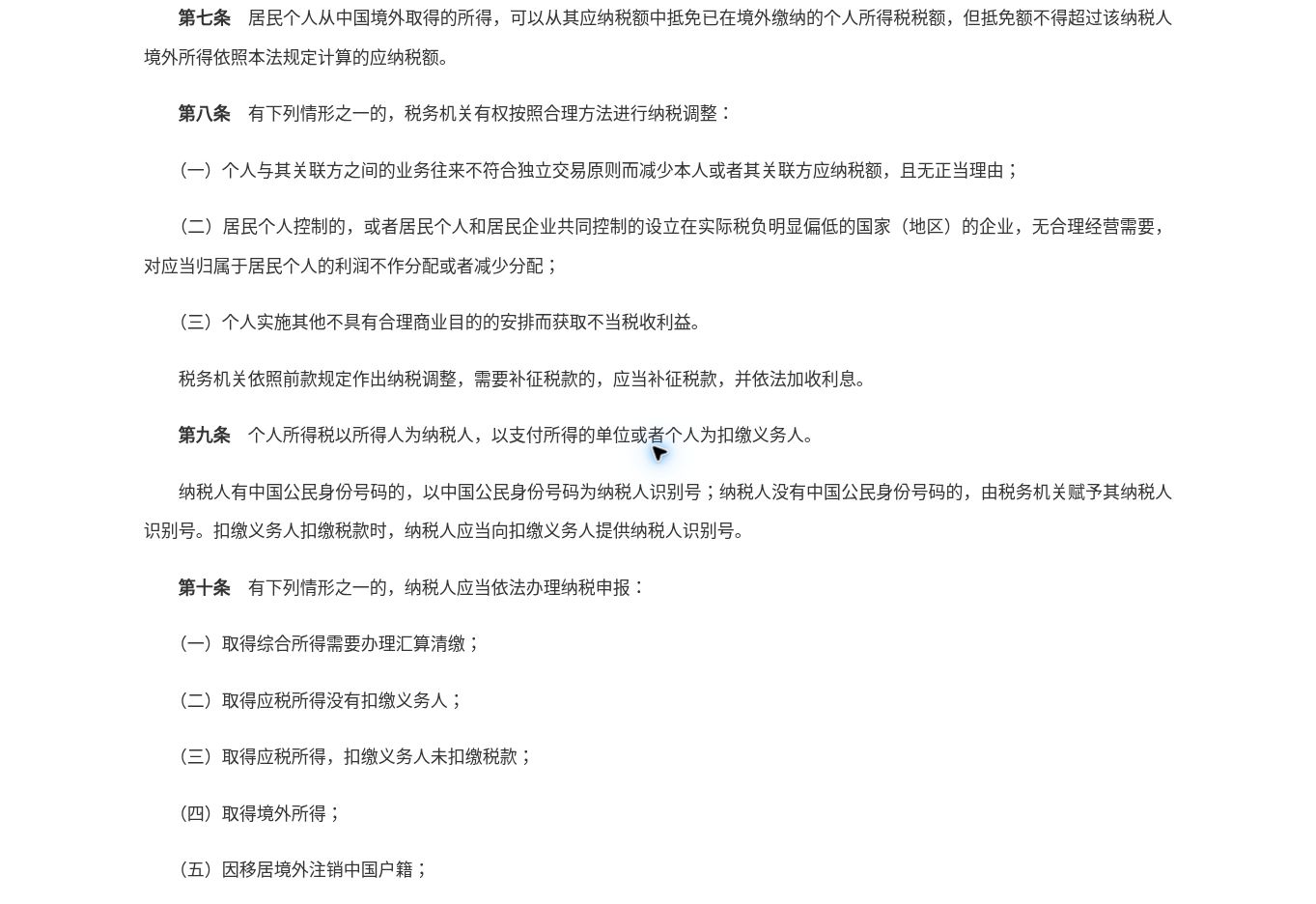
You could leave the shares where they are and keep all the profits in the company. Would that mean no tax? Not necessarily. Under Article 8 of China's Individual Income Tax Law, the tax authorities can make an adjustment if an overseas company you control pays tax at a very low effective rate and retains profits that should be attributed to you without a reasonable business need. Keeping cash to buy inventory, pay staff or expand the business is different from leaving it there purely to avoid tax. You can't rely on 'no dividends, no tax' as a blanket rule.
What about taking a dividend and putting the cash into a trust instead? That's an option to run the numbers on, but the calculation starts with the dividend. When the company pays you, you may already have personal income tax to pay. You can't look only at what happens when the cash goes into the trust and leave out the cost of getting it out of the company. Add the trust's annual management fees, and work out what the whole arrangement will cost you.
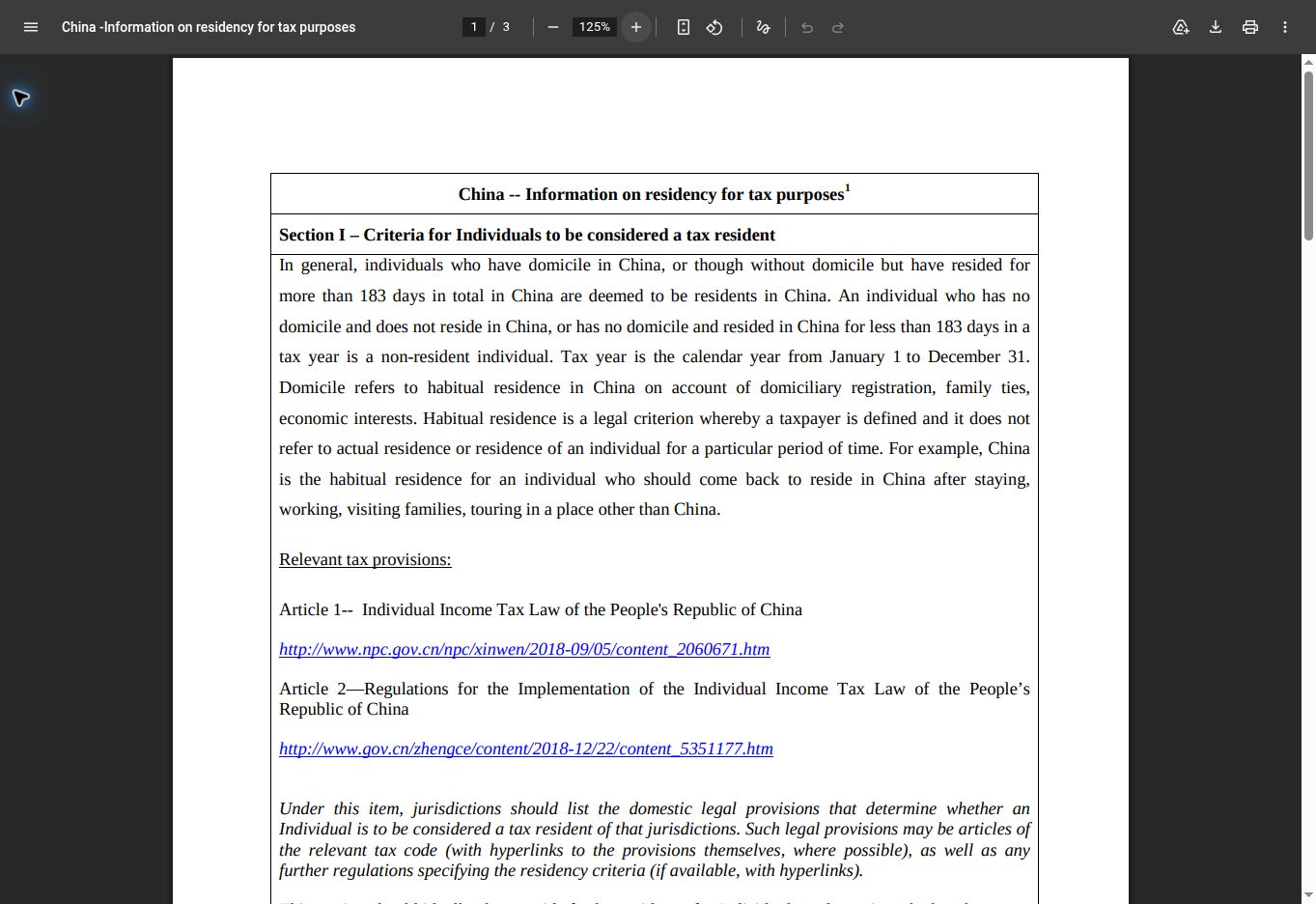
You might prefer to wait until your tax residence changes. First, though, make sure it really has changed. Getting a Hong Kong identity card or permanent residence in another country doesn't automatically mean you're no longer a Chinese tax resident. Your family ties, economic interests and where you actually live all matter. If you get your residency status wrong, the tax calculations that follow may be wrong too.
Does that mean there's no point in having a trust? Go back to why you wanted one. If the only aim was to save tax, you may need to rethink it. But you might be worried about who will manage the family's money if you lose the ability to do so, whether the children are ready to receive a large sum all at once, who will take over the company, or how other family members will be provided for. A tax bill doesn't make those concerns disappear. What matters is whether the trust's terms actually address them, and whether you're willing to pay the cost.
If your company shares are already in a trust, don't rush to take them out. Start with the records: what were the shares worth when you transferred them, what did they originally cost you, and what income or gains have arisen since? Then work out the taxes and fees you'd face if you took them out now. Change the structure before you understand those figures and you could end up paying more without solving the family succession issues that led you to set up the trust in the first place.
← Back to Upwell Insights